
Seven-day power outage: what changes after the first 72 hours
It is day four without electricity. The torches still work, but your phone battery is running low, there are few meals left that need no cooking, and the lift remains out of service. A seven-day power outage raises two practical questions. How will you replace what you use, and when should you stay somewhere else?
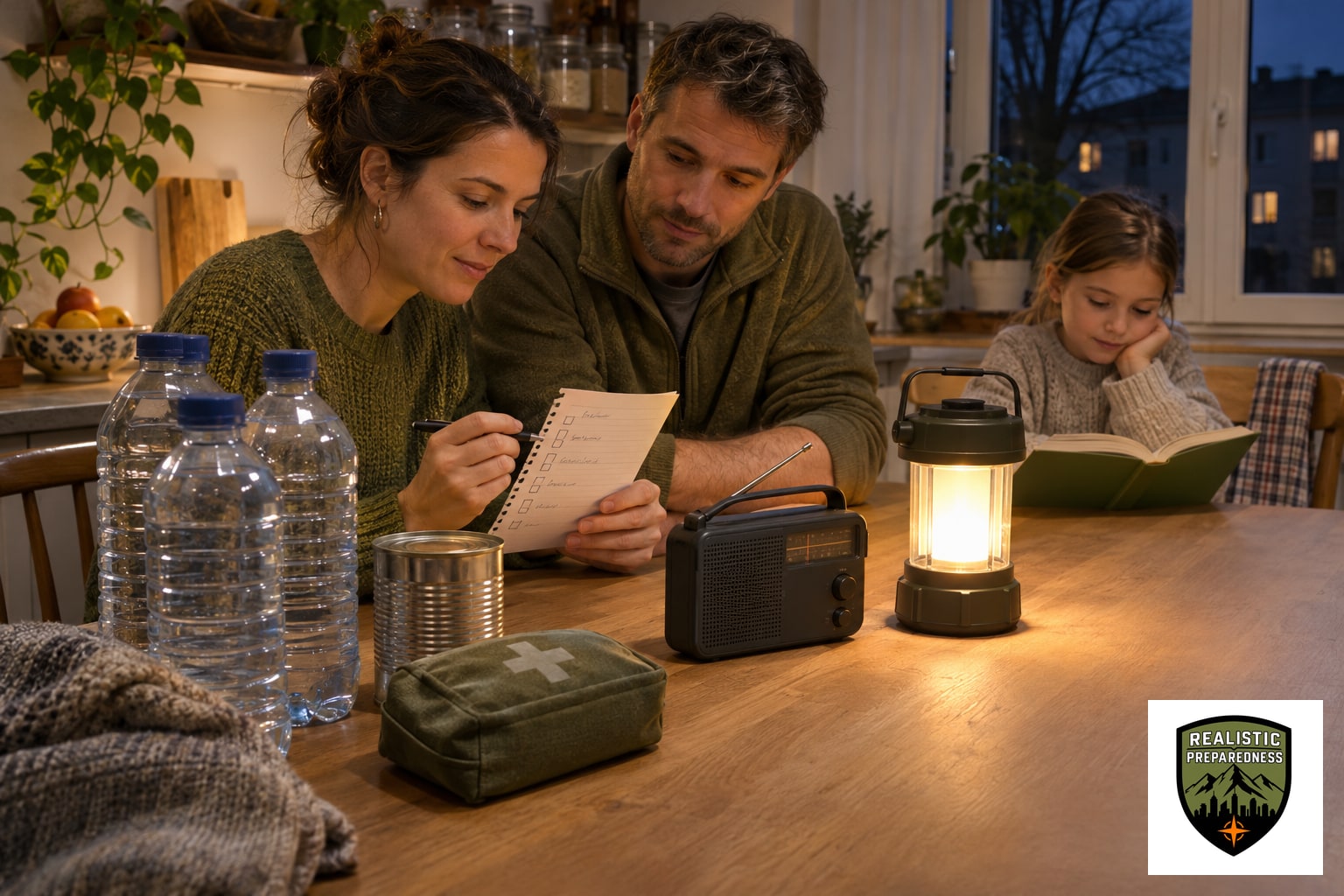
This hypothetical scenario starts with an undamaged home, your household together and some access to official information. An evacuation order or an urgent medical need takes priority over the plan below.
Start day four by counting what remains
Write down your drinking water, ready-to-eat meals, medication, spare batteries and phone charge. Work out how many people each supply must serve. Six litres of water looks different when three people are sharing it. Include cooking and individual needs in the calculation.
Beside each item, note how you could replace it and what you still need to check. A confirmed water distribution point can change your plans. A forwarded photo of a shop that was open yesterday needs checking.
The fridge can no longer carry the menu
After several days without power or controlled alternative refrigeration, check perishable food carefully against safety guidance. General guidance for closed doors is about four hours for a fridge and 48 hours for a full freezer, or 24 for a half-full one. Never taste food to check whether it is safe. Consult the chart for individual foods. FoodSafety.gov power outage charts.
Plan the next meals around the water and safe preparation methods you actually have. Account for allergies, babies and anyone who has difficulty chewing. Dry rice requires water, fuel and cooking time.
Act before an essential reserve runs out
- Health. If someone relies on powered equipment or refrigerated medication, contact their healthcare professional or equipment provider while backup is still available.
- Water. Confirm whether the supply is safe to drink and whether it reaches your floor. A building’s pumps may depend on electricity.
- Temperature. If conditions in the home put somebody at risk, look for suitable accommodation. Check transport and access needs.
- Communication. Agree one or two family check-in times and follow official updates. A battery radio offers another route to information where local reception is available.
Arrange alternative accommodation during daylight
Call the relative, accommodation provider or local authority contact in your plan. Ask about electricity, water, accessibility, room for your household and pet arrangements. Confirm the route and any restrictions before leaving. A long journey with poor information can reduce your options.
If you stay home, write down what would trigger a review, such as losing access to safe water or essential medication. Use LED lighting. Use combustion generators outdoors, away from doors and windows, following the manufacturer’s clearance distances. Never heat your home with a gas cooker. FEMA power outage preparedness guidance.
Review the plan for ten minutes each morning
One person can check supplies while another verifies the next official update or confirmed resupply option. Agree specific tasks with neighbours who need support. Carrying drinking water upstairs for someone who cannot manage the stairs may be the most useful job that morning.
Start with a supply you can count and a contact you can reach. Our 72-hour emergency pantry guide helps you organise the food before extending the plan.