What to do when your tap water is unsafe to drink
You turn on the tap and the water looks as it always does, but your council has just said it is unsafe to drink. Because water is still coming out, it’s easy to forget that you may need to change several everyday habits.
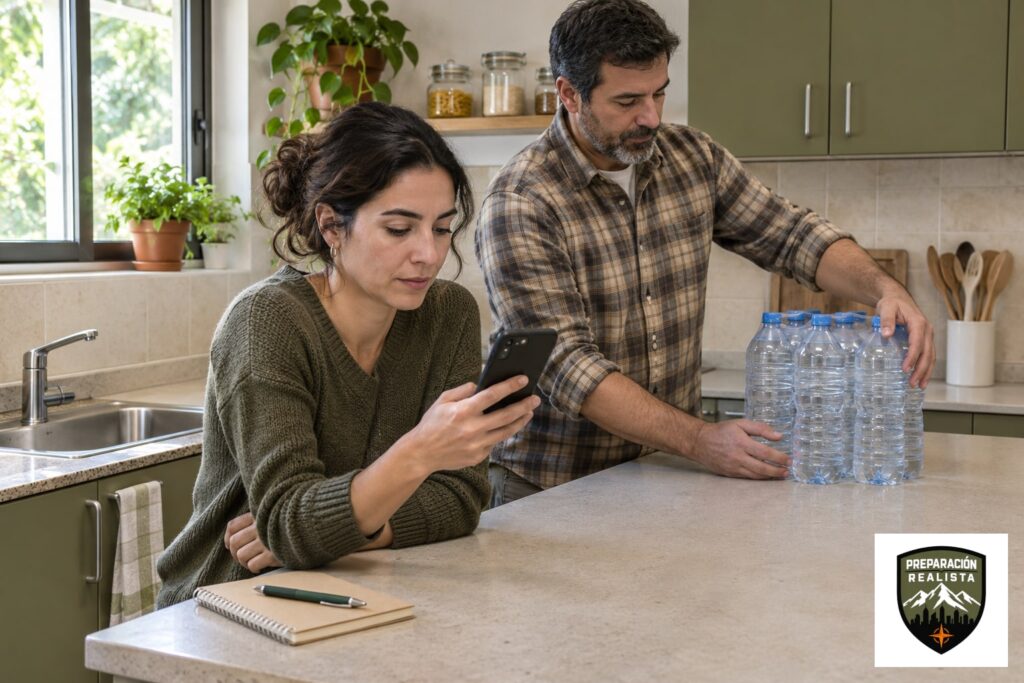
Start by checking which supply and area the warning covers, which uses it restricts and when it took effect. Boiling the water, running it through a filter jug or letting it sit cannot solve every kind of contamination.
Read the full notice
Check the notice from your water supplier, council or public health authority. Find your address or supply area and look for the latest update. If you’re unsure whether your building is affected, contact the supplier or authority. In the meantime, use water from a safe source for any activities the notice might restrict.
Spain’s Ministry of Health publishes information on water supplies through SINAC. For an ongoing incident, use the latest instructions from your supplier and public health authority as your guide.
Don’t taste water to check whether it is safe. Clear water with no unusual smell can still be unsafe. Save the notice or write down where to check for updates so everyone at home can refer to the same information.
Check whether to boil, avoid drinking or stop using the water
The CDC’s guide to drinking water advisories explains why warnings differ. Your local notice may use different terms or specify different actions.
| What the notice may say | What to check |
|---|---|
| Boil water before certain uses. | Check the official boiling instructions and which activities they apply to. |
| Do not drink or use the water to prepare food. | Check what else is allowed and where to get safe water. |
| Do not use the water. | Check the scope of the restriction, including washing and any other contact. |
Boiling can kill germs, but it does not remove chemical contamination. A filter jug won’t solve every problem either. Follow the treatment instructions in the notice and avoid mixing treatments or adding anything based on a forwarded message.
Think through the uses you might overlook
Making coffee, rinsing fruit, making ice, brushing your teeth and filling the dog’s bowl are easy to do out of habit. Check what the notice says about each of these uses.
Remember appliances connected to the water supply, including the fridge’s water and ice dispenser. The CDC advises against using water or ice from these appliances during a drinking water advisory, even if they have an internal filter.
For showers, handwashing, washing dishes and cleaning, follow the specific notice. A warning about drinking water may have other restrictions as well. If someone in your household needs particular care, ask their healthcare professional or support service how to continue it with safe water.
Make a plan for the safe water you have
Count the bottled water you already have and find out whether officials have set up collection points or other safe supplies. Share out the jobs. One person can check updates, another can keep track of what’s left and someone else can arrange the next collection if needed. A list by the kettle can stop someone filling it from the tap out of habit.
Think about how much you can carry and store. Five litres of water weighs about five kilograms before you add the container. For some people, several small bottles will be easier to manage than one large container.
If you need to collect water from an approved source, the Tayg 5-litre container with a tap on Amazon is one option to compare. Tayg says its containers with taps are suitable for food contact. Use a clean container and follow its instructions. Never reuse a container that held chemicals. This container is for storage only and has no way to make contaminated water safe.
Affiliate disclosure. As an Amazon Associate I earn from qualifying purchases.
Check the containers you have before buying more. The guide to coping without running water for 24 hours (in Spanish) has more ideas for organising your supply.
Keep meals simple and tell everyone at home
Choose meals that need less water for preparation and washing up. Ready-to-eat foods can help if they’ve been stored safely and suit everyone’s needs. The guide to preparing meals without cooking (in Spanish) offers ideas to adapt.
Tell anyone who arrives later, including visitors and people who help at home. Put a note with the current instruction and date beside the tap. Store cleaners and disinfectants away from drinking water.
Wait for the notice to be lifted
Resume normal use when the authority says you can. Check whether it gives instructions for your pipes or appliances first. If you share a water system with other flats, coordinate with the person responsible for the building and follow the official steps for flushing or maintenance.
One thing to do this week: find out who supplies your water and save their alert channel. Write down which everyday tasks you would need safe water for if a notice arrived.